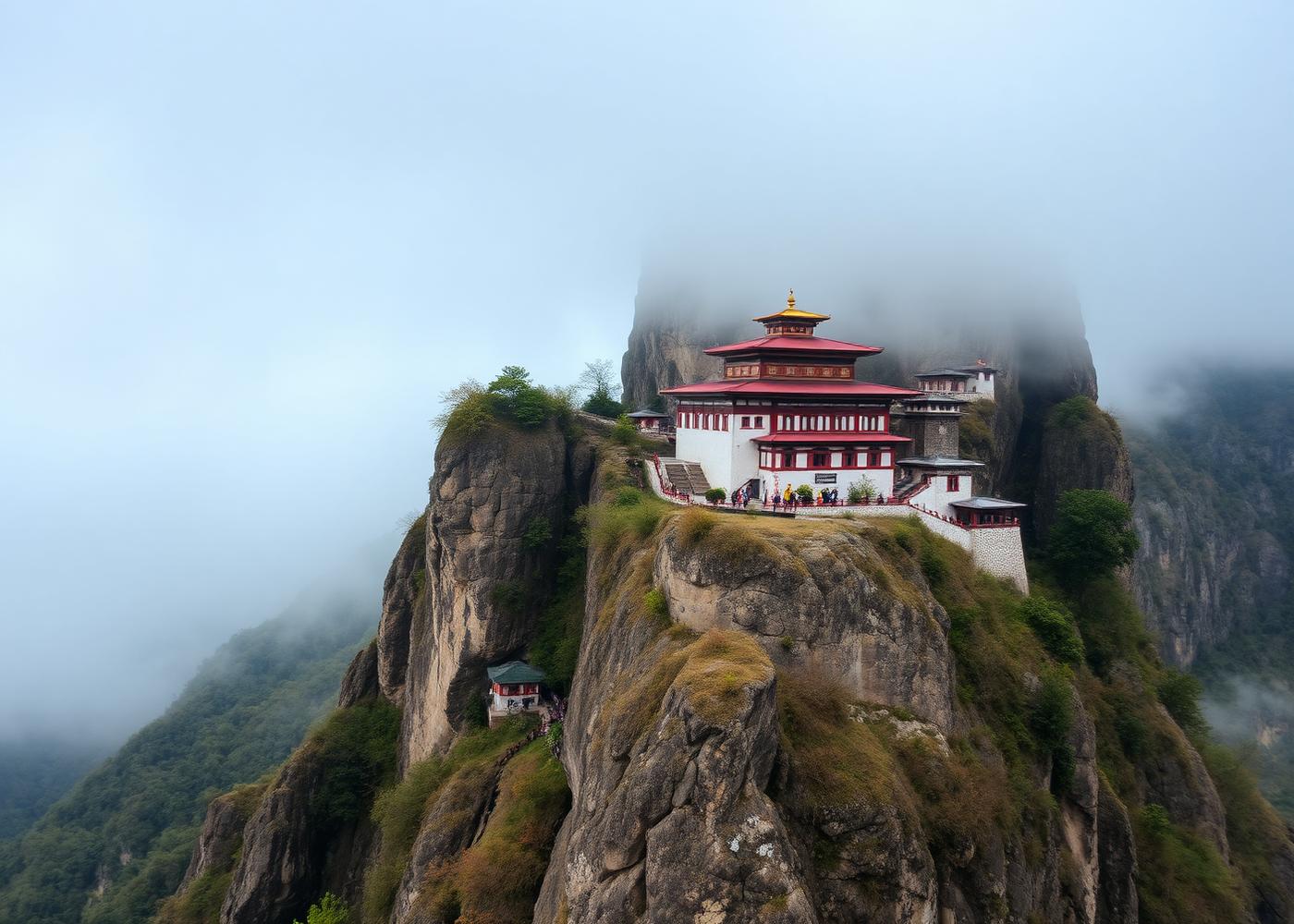
The road up to Rumtek is not long — 24 kilometres from Gangtok — but it climbs through pine forest slowly enough that you can feel the air thinning. By the time you park at the monastery gate at 4:30 in the morning, the sky is still the deep blue of very early dawn, and the only sound is the distant clang of a temple bell being warmed up for the puja.
This is the hour to arrive. By nine, the day trippers will be here in their taxis, and Rumtek will look like every other monastery on every other Sikkim tour brochure. Now, at first light, it belongs to the monks and to whoever else was willing to leave Gangtok before four.
The story of the monastery, briefly
Rumtek is the seat-in-exile of the Karmapa, the head of the Karma Kagyu school of Tibetan Buddhism. The original monastery was built in 1734, fell into disrepair, and was rebuilt in the 1960s by the 16th Karmapa after he fled Tibet in 1959. The current complex is a near-exact replica of the Tsurphu monastery in Tibet — the same colours, the same layout, the same murals painted by monks who remembered the original from childhood.
For a first-time visitor, this backstory matters. Rumtek is not simply an old building; it is a fragment of Tibet, painstakingly rebuilt on Indian soil, and the monks living here today carry the practice their teachers carried out of Lhasa on foot.
The four monasteries worth your time
Sikkim has around 200 monasteries. A week-long trip can properly visit four. If you try to do more, you are not visiting — you are ticking boxes.
Rumtek, as described, is the political and spiritual centre of the Karma Kagyu lineage in exile. Go for the 4:30 AM puja and stay through breakfast.
Pemayangtse, near Pelling in West Sikkim, is the older and more atmospheric option. Founded in 1705, it is the head monastery of the Nyingma school in Sikkim and its top-floor sanctuary contains a seven-tiered wooden model of Guru Rinpoche's heavenly palace that took a single monk twelve years to carve.
Tashiding, on a hilltop between the Rathong and Rangeet rivers, is the pilgrimage site. Its stupa is said to grant purification of sins simply by being seen — pilgrims walk here from all over the Himalayas during the Bhumchu festival in February or March.
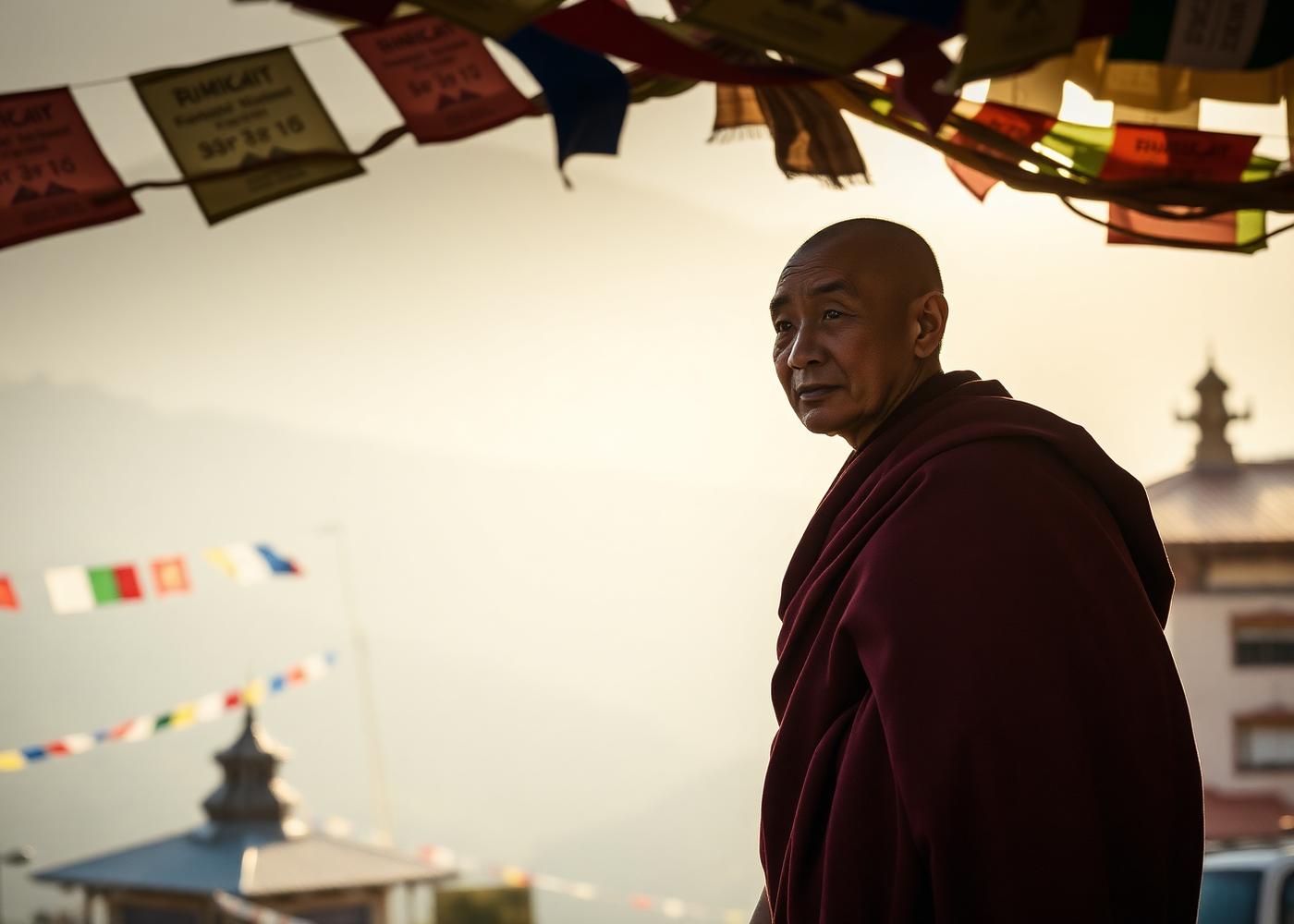
Enchey, in Gangtok itself, is the everyday monastery — the one where local families come for daily prayers. Visit in the afternoon, when the light through the prayer flags is best.
How to attend a puja without being in the way
Pujas — the chanted prayer sessions — are not tourist performances. They are the working religious life of the monastery. That does not mean you cannot attend; it means you attend as a guest.
Arrive at least fifteen minutes before the puja begins. Dress modestly: shoulders and knees covered, no hats inside the prayer hall, shoes off at the threshold. Sit on the floor at the back or on the low benches lining the side walls. Do not walk in front of the monks or between the head lama and the shrine. Do not photograph faces during the chanting — a single quiet photo of the hall from the back is fine; a flash or a shutter every ten seconds is not.
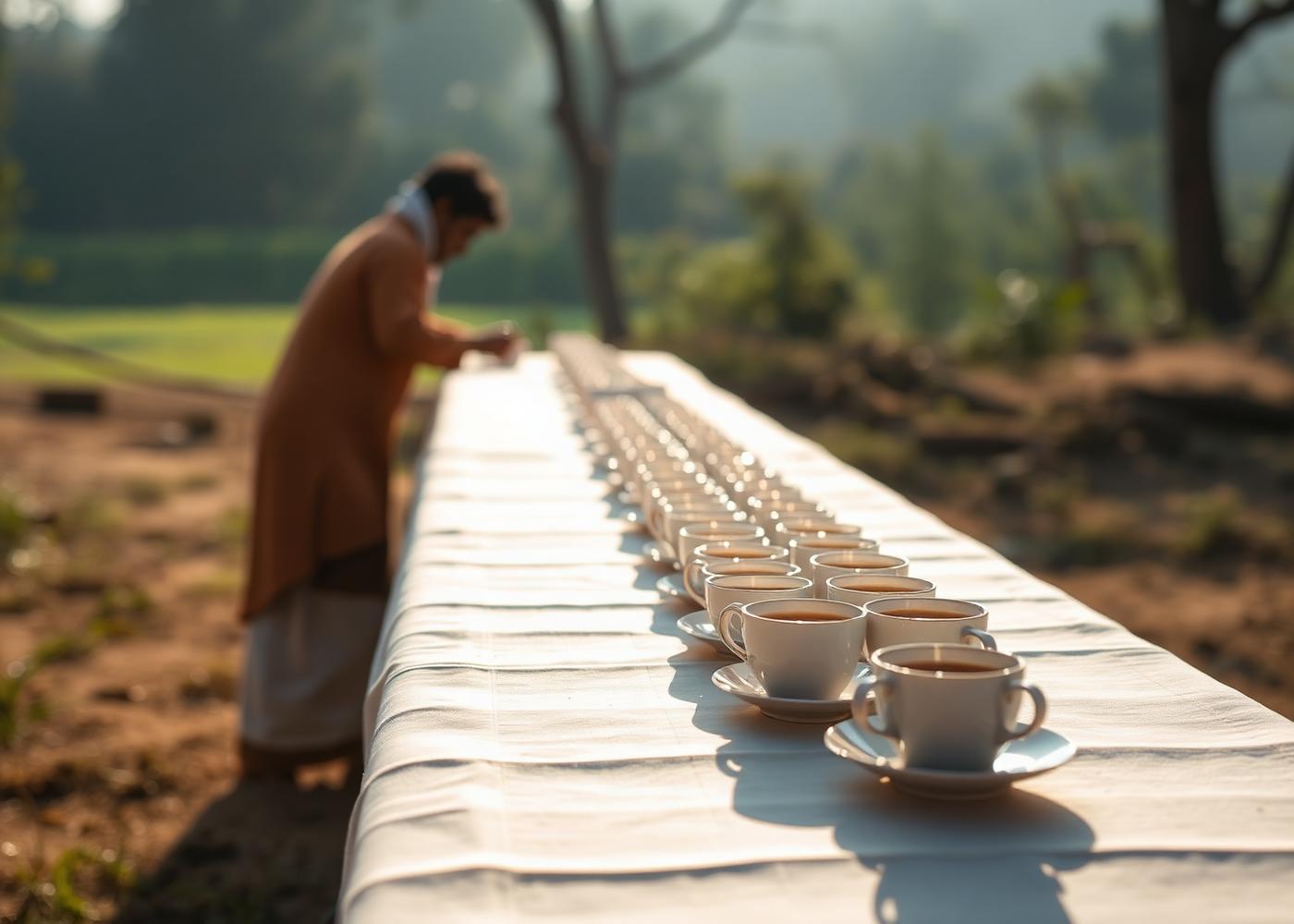
If a monk offers you butter tea or a small piece of blessed food, accept it. You do not have to finish it — a small taste is enough. This is a small kindness being extended to you, and it deserves acknowledgement.
The trip, structured
A good Sikkim monastery trip runs seven to eight nights. Two in Gangtok (for Rumtek and Enchey), three in Pelling (for Pemayangtse, Sanga Choeling, and Tashiding day-visit), one in Yuksom (for the two-hour walk to Dubdi, Sikkim's oldest monastery), and a final buffer night back in Gangtok.
Drive times matter here. Gangtok to Pelling is around 130 kilometres but takes six hours on mountain roads. Do not try to see West and East Sikkim in the same day trip. Break the journey properly, and the trip itself becomes part of the meditation.
The best months
March to early May is the ideal spring window — rhododendrons in bloom, clear mountain views, and the Bhumchu festival at Tashiding if you time it right. October and November are the other window, when the post-monsoon air is at its cleanest and Kanchenjunga is visible from almost every monastery courtyard.
Avoid June to September if you can — the monsoon closes some roads and mist obscures the mountain views that are half the reason to visit.
Frequently asked
Do I need a permit for Sikkim?
Indian nationals do not need a special permit for most of Sikkim, but foreign nationals need an Inner Line Permit, easily arranged online or on arrival. A specialist operator handles this for you.
Can I stay inside a monastery?
A few monasteries offer simple guest rooms for pilgrims. Rumtek does not, but nearby guest houses in Ranka are within walking distance. Pemayangtse has basic accommodation.
Is photography allowed?
Outside, freely. Inside prayer halls, ask first — most allow it without flash when a puja is not in progress; none allow it during a ceremony.