There is a stretch of road between Dirang and Sela Pass, somewhere around the 3,800-metre mark, where you round a hairpin bend and Kanchenjunga's western outliers rise up on your left in a wall of white. The road at that point is single-lane, unpaved, and clung to the mountainside by what feels like willpower alone. This is the Tawang drive, and it is one of the great Himalayan road journeys.
Tawang sits in the far western corner of Arunachal Pradesh, at 3,050 metres, in a valley ringed by Bhutan on one side and the Line of Actual Control with China on the other. It is one of the most geopolitically consequential places on the map and one of the most spiritually significant sites in Tibetan Buddhism outside Tibet itself. The drive to reach it is a proper journey.
Permits and getting there
Foreign nationals require a Protected Area Permit (PAP) for Arunachal Pradesh, applied for through a licensed tour operator at least a month in advance. Indian nationals need an Inner Line Permit, which is faster but still requires prior arrangement. A specialist handles both.
The gateway is Guwahati in Assam. From Guwahati, it is a long day's drive (about 12 hours) to Bomdila (2,530 metres), or a two-day break with a night in Bhalukpong on the plains. From Bomdila, another day gets you to Dirang. From Dirang, cross Sela Pass and descend into Tawang — another long day.
In total, plan four days one way from Guwahati to Tawang, and four days back. Do not try to compress this. The altitude gain matters, the roads are genuinely slow, and the small towns along the way (Bomdila, Dirang) deserve a proper stop each.
Sela Pass
Sela Pass at 4,170 metres is the gateway to Tawang. Snow-bound from December through March, open but often cloud-shrouded from June to September, and at its most reliable in October and early November when the sky clears and the small alpine lake at the top freezes over the edges.
The pass is a working military crossing — you will see convoys of Indian Army trucks and supply vehicles making the ascent, and photography of military installations is prohibited. The lake itself and the pass marker are fair game.
Above the pass, the road descends dramatically into the Tawang valley through Jaswant Garh, a memorial to the 1962 war with China. It is a solemn stop, well-maintained by the army, and worth a fifteen-minute pause.
Tawang town and the monastery
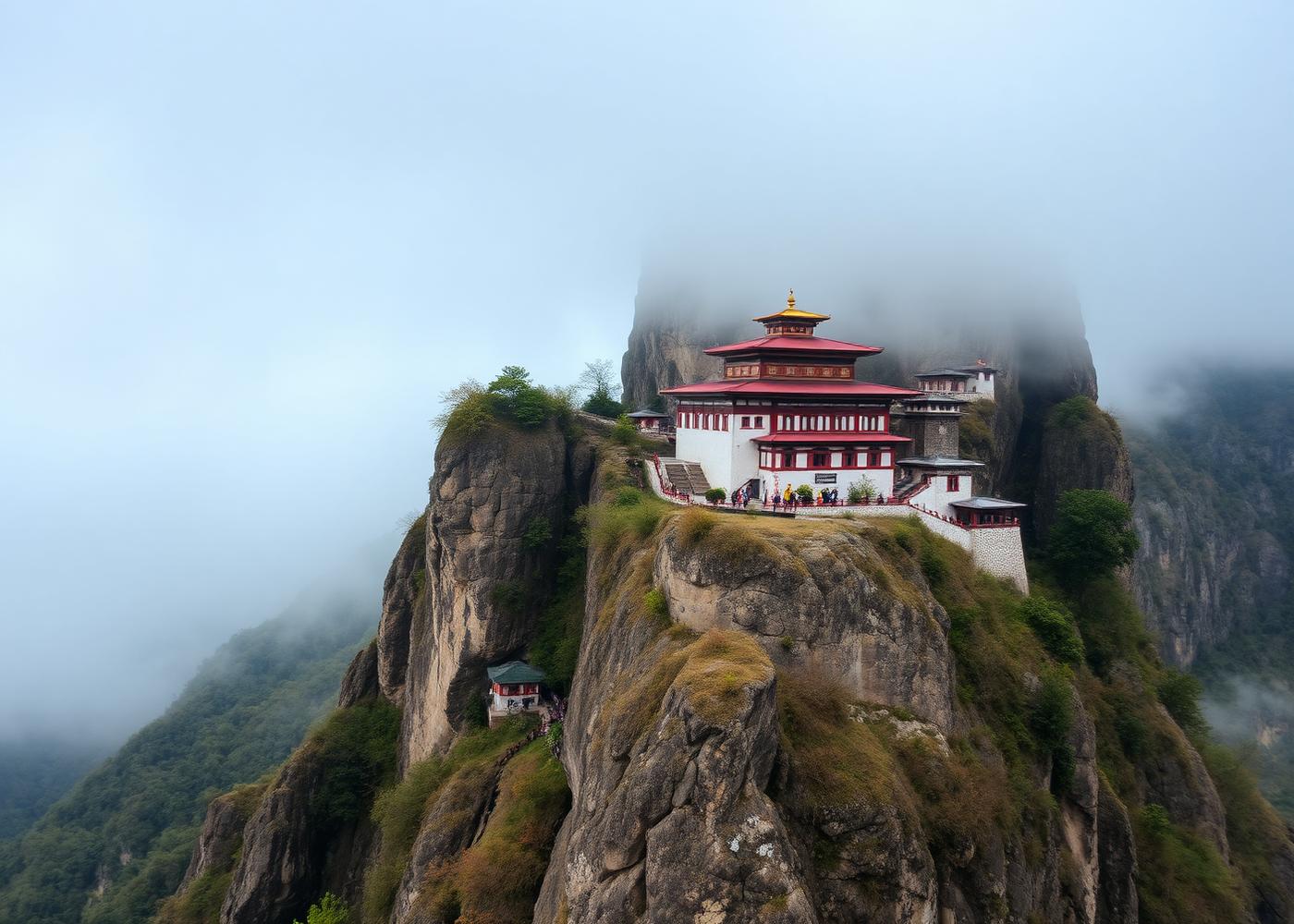
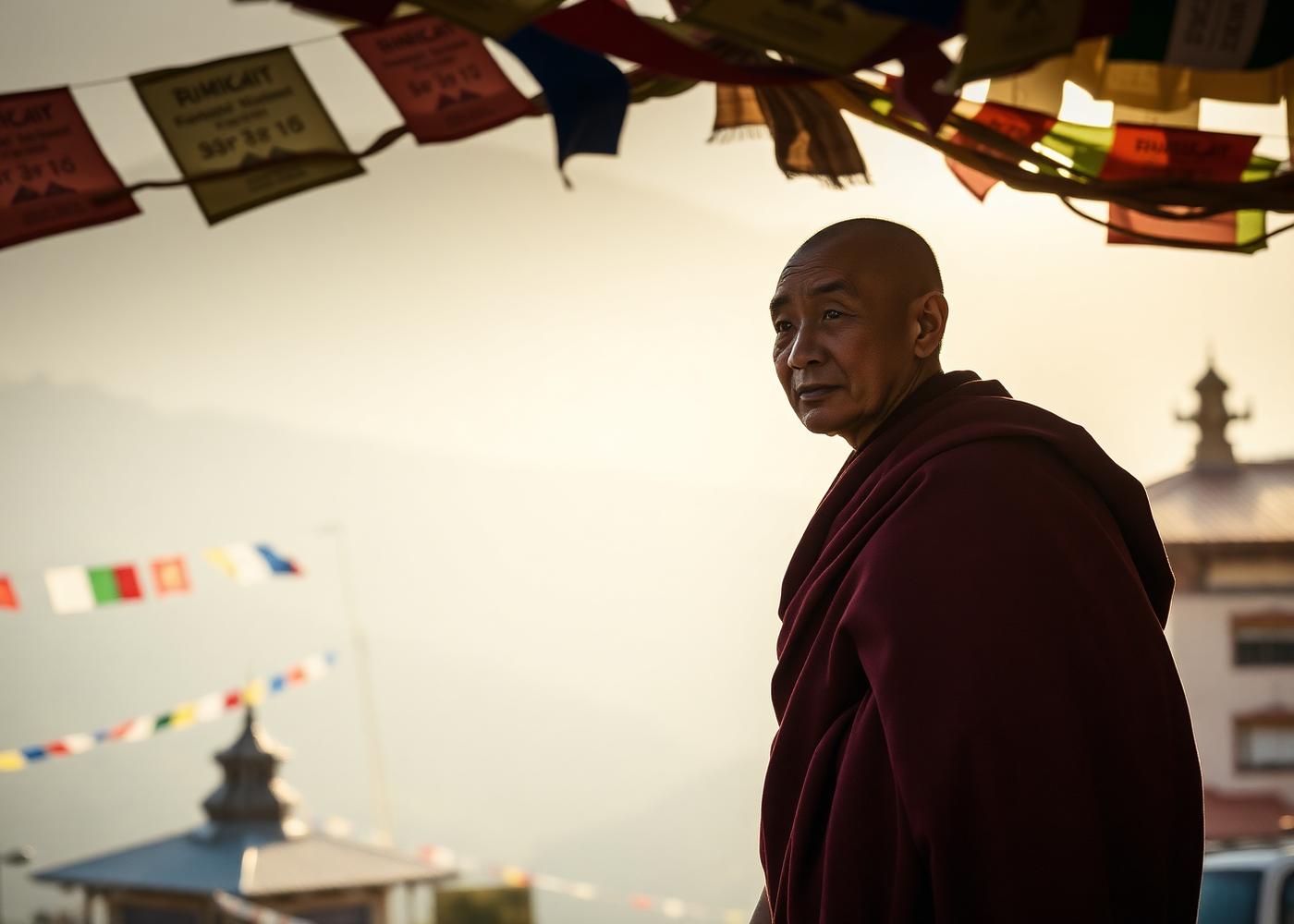
Tawang Monastery is the largest Buddhist monastery in India and the second largest in the world after the Potala in Lhasa. Founded in 1680, it currently houses around 450 monks. The 6th Dalai Lama was born in Tawang, and the monastery remains one of the most important centres of the Gelug school outside Tibet.
The best time to visit the monastery is the morning puja, which begins around 6 AM. The prayer hall is enormous — the largest in India — and the collective chanting of several hundred monks fills the space in a way that recorded audio cannot capture. Sit at the back, on the floor along the side walls, and stay quiet.
Outside the monastery, the town itself is small — perhaps 12,000 permanent residents, mostly Monpa people whose culture bridges Tibetan and Bhutanese influences. The Monpa handicraft centre is worth an hour; the local yak-cheese momos are the town's culinary signature.
Beyond Tawang
If you have an extra day, drive up to Bum La Pass at 4,590 metres, the actual Line of Actual Control with China. Only Indian nationals with special permits, or foreign nationals in extremely rare cases, are allowed to the pass itself; most visitors go as far as the Y-Junction and see the border marker from a distance. The drive is spectacular and the sense of being at the exact edge of the country is unforgettable.
Madhuri Lake (Sangetsar Lake) is the other essential day-trip — a high-altitude lake at 3,700 metres, formed by a 1950 earthquake that submerged a forest whose skeleton trees still stand above the water. The name comes from the Bollywood film Koyla, which was shot here in 1997.
When to go
March to early June and October to early November are the ideal windows. Skies are largely clear, Sela Pass is open, and the monasteries are functioning normally. Late October brings the Torgya festival at Tawang Monastery, a three-day masked dance ceremony that is one of the great sights of the eastern Himalayas.
December to February is snow season — Sela Pass closes intermittently, roads become dangerous, and while Tawang itself is atmospheric under snow, access is unreliable. June to September brings monsoon rain to the lower slopes and cloud to the higher; landslides on the road up are routine. This is the season the specialist actively advises against.
Where to stay
Accommodation across the route is basic. In Bomdila and Dirang, small government tourist lodges and a couple of privately-run guest houses are the extent of the options. In Tawang town, the Dondrub Hotel and the newer Yak Residency are the specialist's choices — clean, warm, and honest, but far from luxurious. Do not come to Tawang expecting a boutique hotel; come expecting a bed, a hot shower, and the largest monastery in India ten minutes away.
Frequently asked
How long is the full Tawang trip?
Minimum 10 days from Guwahati and back. A well-designed trip is 12 to 14 days, with buffer days built in for weather and altitude.
Is it safe?
Yes. The roads are challenging but not dangerous with a good driver. The border areas are heavily militarised in a reassuring way — the Indian Army maintains the roads and provides support along the entire route.
Can I fly to Tawang?
No commercial flights. A helicopter service from Guwahati to Tawang operates seasonally and unreliably; the road journey is the standard access.