The Mekong Delta begins the moment you leave Ho Chi Minh City's outer ring road. The concrete thins, the motorbike density drops, the horizon flattens out into rice paddy, and within an hour the road is crossing bridges over channels the colour of milky coffee. This is one of the most productive agricultural landscapes on earth — 40% of Vietnam's rice, most of its fruit, and a large slice of its shrimp — folded into a delta the size of the Netherlands.
The classic loop takes fifteen or sixteen days: Ho Chi Minh City, Ben Tre, Can Tho, Chau Doc, back to Ho Chi Minh City with a Cu Chi Tunnels day thrown in. It is one of the most rewarding trips in Southeast Asia, and one of the least well designed by generic operators. A specialist itinerary is the difference between a bus-tour Mekong and the real thing.
Ho Chi Minh City, in three days
Do not skip Saigon. The temptation with a Mekong itinerary is to fly in, spend one night, and rush south; the temptation is wrong. HCMC deserves three full days.
District 1 is the tourist heart — the Notre Dame Cathedral, the Central Post Office (a Gustave Eiffel design and the only place in Vietnam where you can watch a professional letter-writer in action), the War Remnants Museum (essential and difficult), and the reunification-era architecture of the former presidential palace.
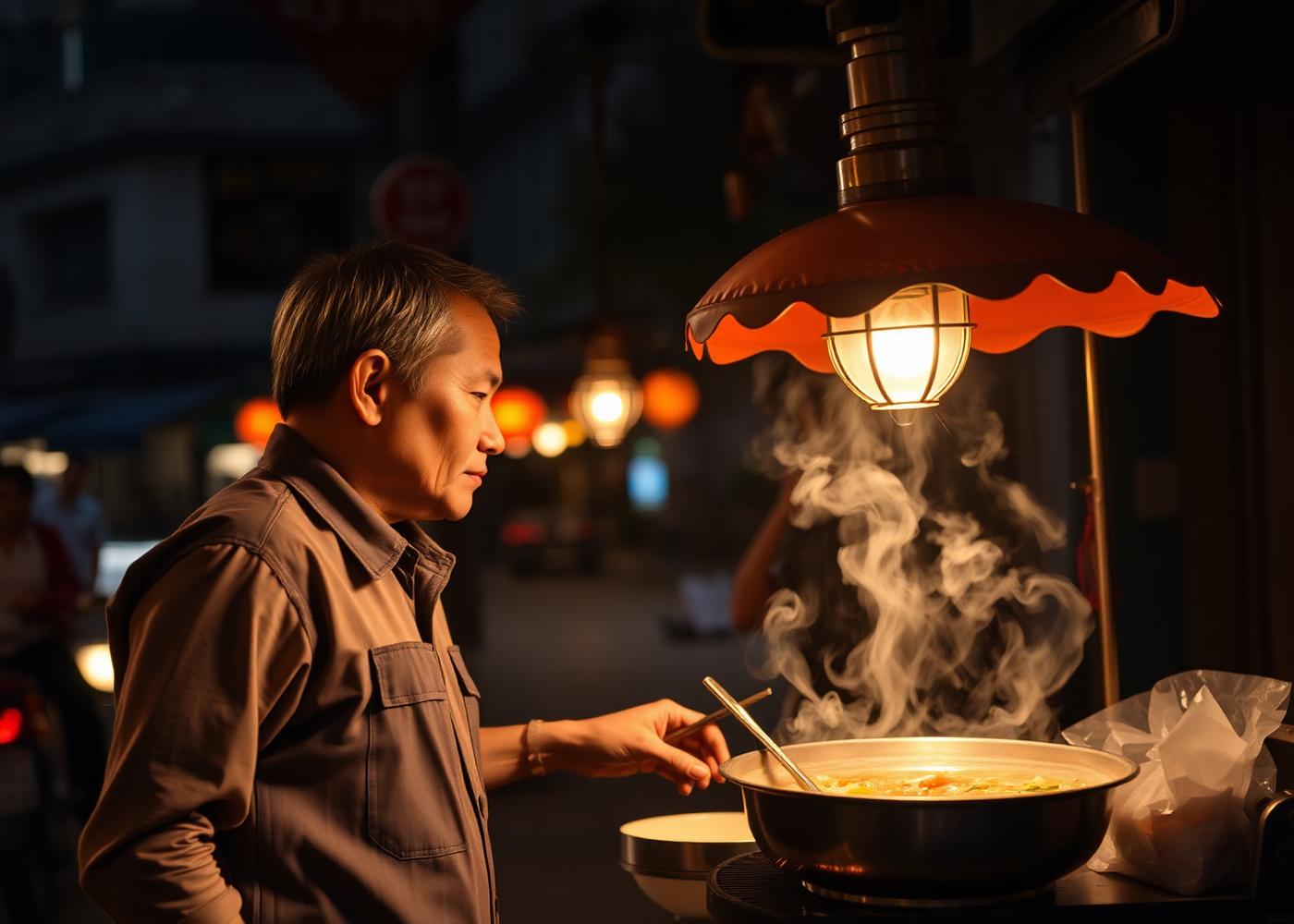
District 3 and the outer districts are where the city actually lives. Take a Vespa food tour after dark — the specialist's choice is XO Tours, running for over a decade, unfailingly excellent — and eat six things in three hours across neighbourhoods you would never find alone. This is the best introduction to Vietnamese food you can arrange.
Cu Chi Tunnels day trip
The Cu Chi Tunnels, an hour and a half north-west of HCMC, are the underground Viet Cong network that survived a decade of American bombardment during the war. Roughly 250 kilometres of tunnels remain, and a section is open to visitors. It is a claustrophobic and sobering half-day.
The site is set up for visitors, which is both a blessing and a curse. The blessing is that you can enter (widened) tunnel sections and understand the space. The curse is a shooting range next door where visitors fire AK-47s at paper targets, which produces the surreal experience of touring a war memorial to a soundtrack of live gunfire. A good guide steers you to the quiet parts of the site.
Ben Tre and the coconut kingdom
Ben Tre, two hours south of HCMC, is the classic entry point to the Mekong Delta. This is coconut country — the entire economy is built around the coconut, from the tiles on the roof to the wine in the bottle to the peanut brittle wrapped in coconut paper in the roadside stalls.
The right way to experience Ben Tre is by bicycle. A specialist itinerary puts you on a bike for two days across the small canals and dirt paths of the delta, staying in a family homestay overnight. This is not the polished Mekong of the tour brochures — it is dogs on the road, farmers cutting cassava, a lunch of freshly-fried elephant-ear fish with rice paper and herbs. Do this before Can Tho, which is more polished and touristed.
Can Tho and Cai Rang floating market
Can Tho is the largest city in the Mekong Delta and the base for the Cai Rang floating market — the largest wholesale floating market in the region. The market operates from about 4:30 AM to 8 AM. To see it properly, you need to be on a boat by 5 AM, which means a wake-up at 4:15. It is worth it.
The market is not a tourist performance. It is the actual wholesale distribution point for produce from across the delta, and the boats you see (each with its trademark bamboo pole displaying a sample of the goods on board) are working traders, not props. By 8 AM the market has largely dispersed and the tour boats that arrive at 8:30 are, essentially, too late. Go early.
Chau Doc and the Cambodian border
Chau Doc, at the far western edge of the Mekong Delta, is the deepest into the region most itineraries reach. It is a border town — Cambodia is 30 kilometres away — with a distinctly Khmer and Cham influence in its food, its temples, and its population.
The essential Chau Doc visit is to Sam Mountain (Nui Sam), a small isolated peak rising out of the flat delta, ringed by shrines and temples that draw pilgrims from across South Vietnam. At the top, at sunrise, the view stretches into Cambodia.
The Cham fishing villages on the Bassac river, reached by a short boat crossing, are the other essential visit. These are Muslim communities with a fishing tradition going back centuries and a hospitality that is genuinely different from the Vietnamese mainstream.
Extending the trip
If you have more than 16 days, Chau Doc is the natural crossing point into Cambodia — a boat runs upriver to Phnom Penh in a full day, and combining South Vietnam with Cambodia's Angkor Wat is one of the most rewarding combinations in Southeast Asia. Alternatively, fly out of HCMC to Da Nang and add central and northern Vietnam for a proper 25-day journey.
When to go
November to April is the dry season and the best window overall. December and January are the coolest (25 to 30 degrees Celsius) and driest. February to April warms up but remains manageable.
May to October is the wet season — heavy afternoon showers, high humidity, and the Mekong itself at its highest levels. The wet season is not a dealbreaker (the rain is usually short and dramatic rather than all-day drizzle) but it is a harder trip, particularly for the bike-based sections in Ben Tre.
Frequently asked
Is the Mekong Delta a full-length trip on its own?
It works as a 6 to 8 day standalone, or as the southern half of a longer 15+ day Vietnam trip. Under 5 days feels rushed.
Can I do the Mekong independently?
Yes, but you will miss most of the interesting parts. Homestays, private boats, and cycling routes are hard to arrange from abroad — a specialist operator adds a great deal of value here.
Is the food safe?
Yes, with the same rules as anywhere in Vietnam — busy stalls, bottled water, no raw seafood from unrefrigerated sources. Homestay meals are cooked to order and reliably excellent.