The North East is not one place and does not have one season. Sikkim in April is a different trip from Sikkim in October. Meghalaya in July is a different country from Meghalaya in February. The idea that there is a single 'good time to visit the North East' is the single most common mistake made by planners, and it is almost always the reason a trip disappoints.
This is a specialist's month-by-month guide to the region — where to go, what will be in bloom or in flood or in festival, and how to build a multi-state trip that lines up with the right season for each stop.
March, April, May: the spring window
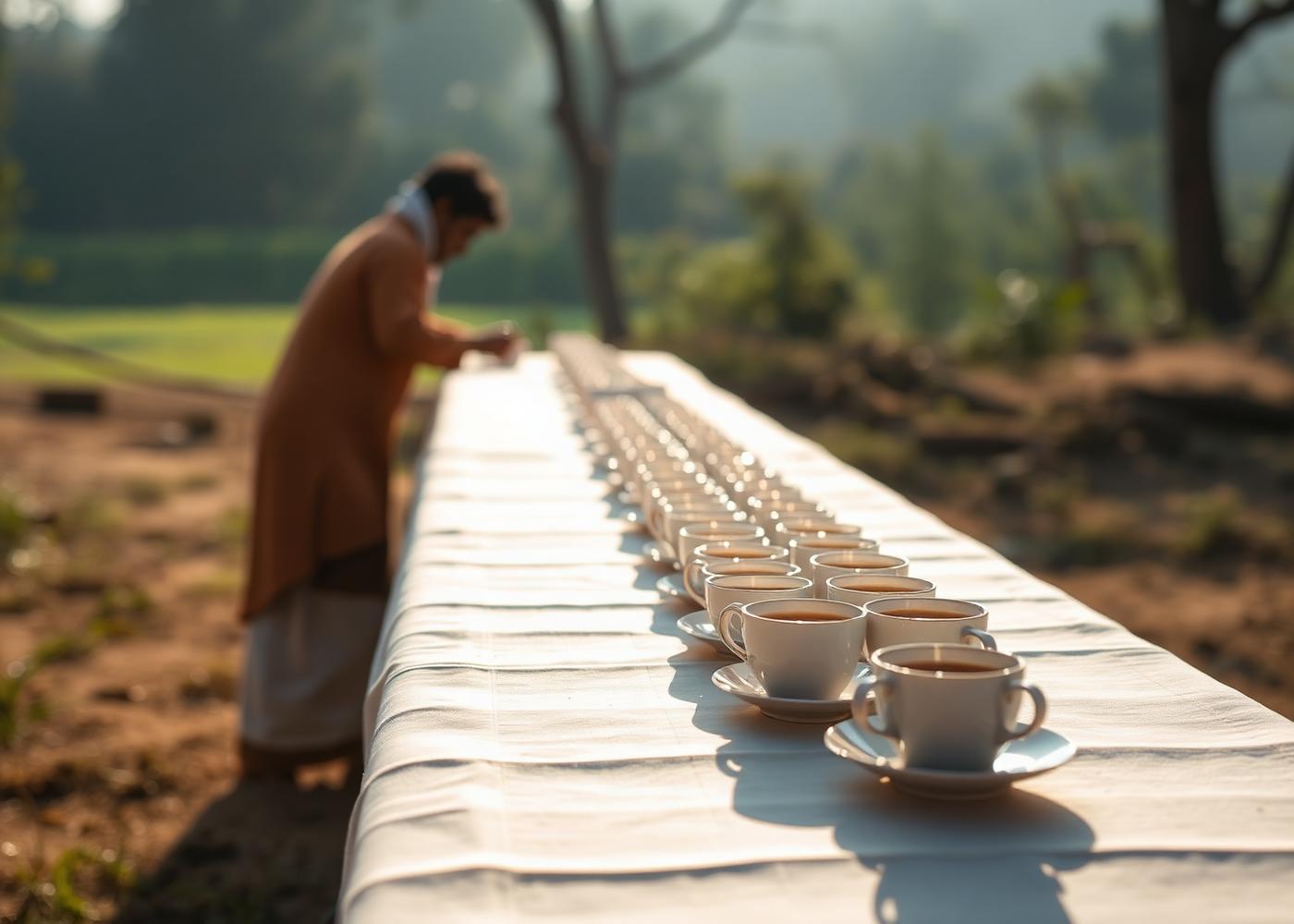
Late March through May is the region's spring, and for most first-time visitors it is the best introduction. Rhododendrons bloom across Sikkim and Arunachal at 2,000 to 3,500 metres — a proper flowering that turns entire hillsides pink and red. The Darjeeling first flush is in full production. Kaziranga's grass is dry enough for excellent safaris. Meghalaya is warm but pre-monsoon and green.
The three-state itinerary that works best in this window: Darjeeling (First Flush, four nights) → Sikkim (Rumtek and Pelling, six nights) → optional Bhutan extension. Total 12 to 14 days.
June, July, August, September: the monsoon
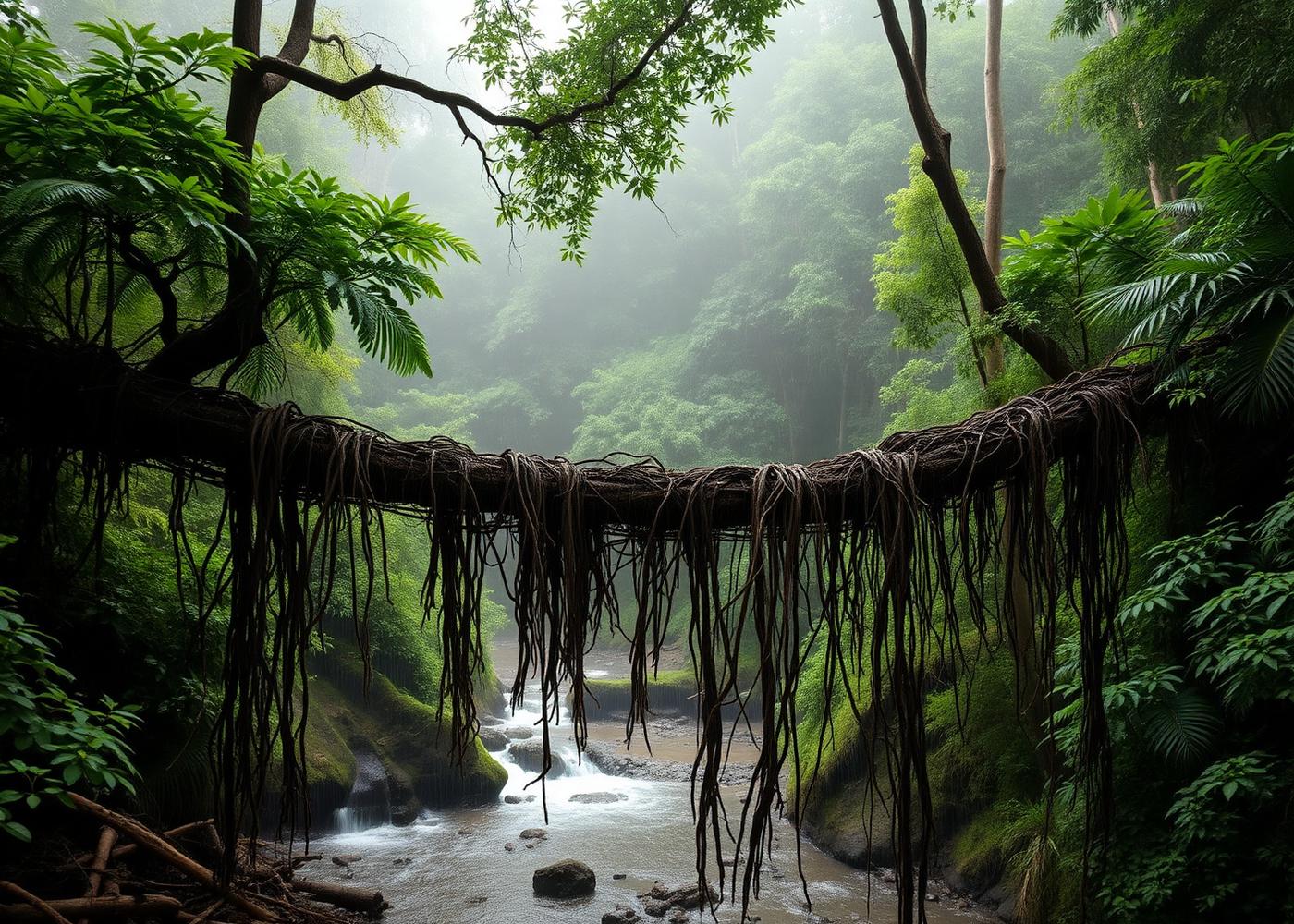
The monsoon is the season most operators refuse to send guests. This is a mistake. The monsoon is when Meghalaya makes sense — the root bridges are green, the waterfalls are at full volume, and Cherrapunji and Mawsynram are living up to their world-record rainfall. It is also when the tea gardens are at their most vivid.
The monsoon does close some options. Kaziranga is shut. Sikkim's mountain roads become dangerous. Arunachal is largely inaccessible. But if your interest is Meghalaya, Assam's tea belt, or the river cruise on the Brahmaputra (which runs in reverse direction with high water), the monsoon is the honest experience.
September is the transition — rain reduces, roads reopen, and the Ziro Festival of Music in Arunachal Pradesh (usually the last week of September) is one of the great small festivals in India. Four days of Indian and international musicians in a rice paddy in a valley ringed by mountains.
October, November: the peak window
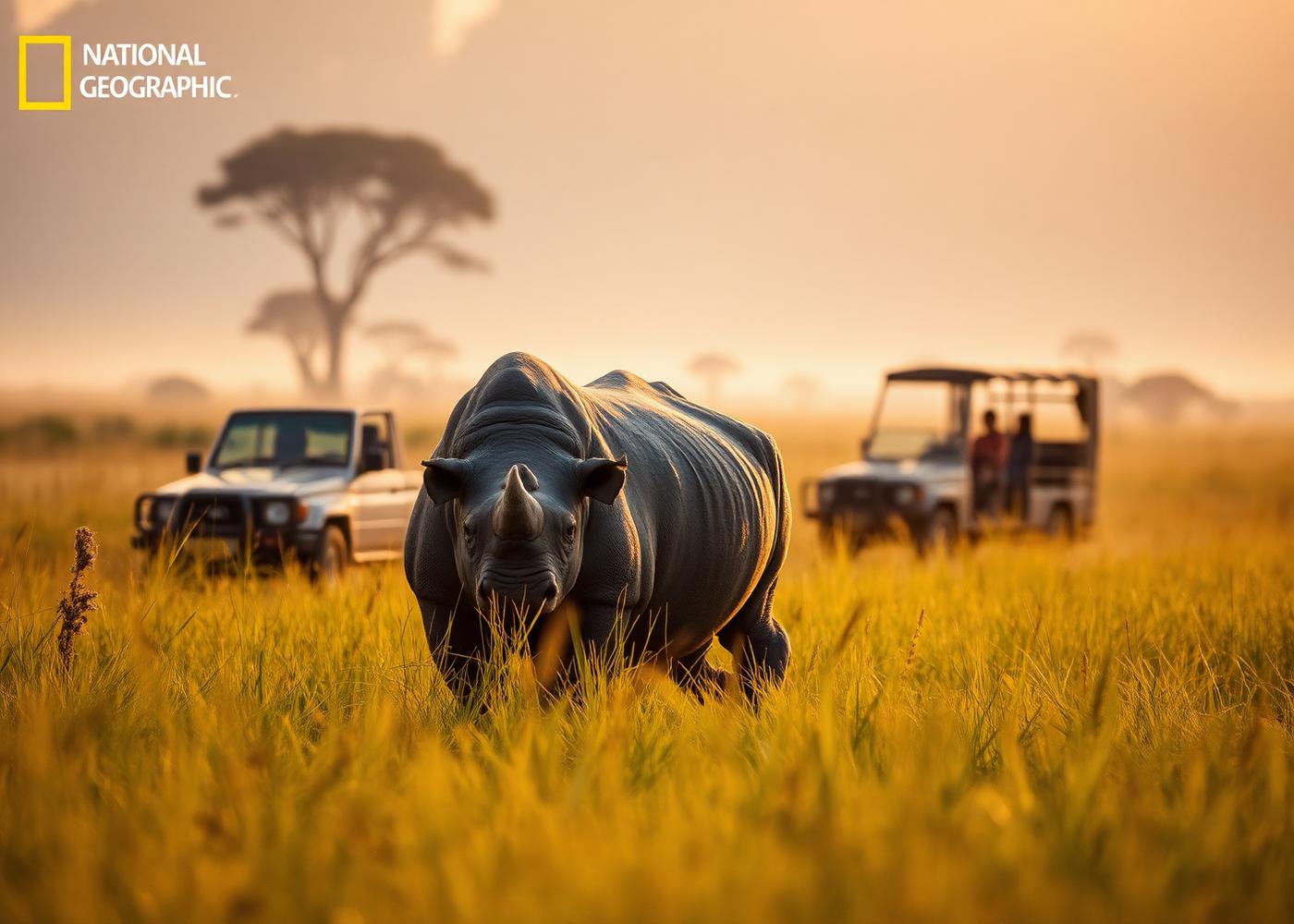
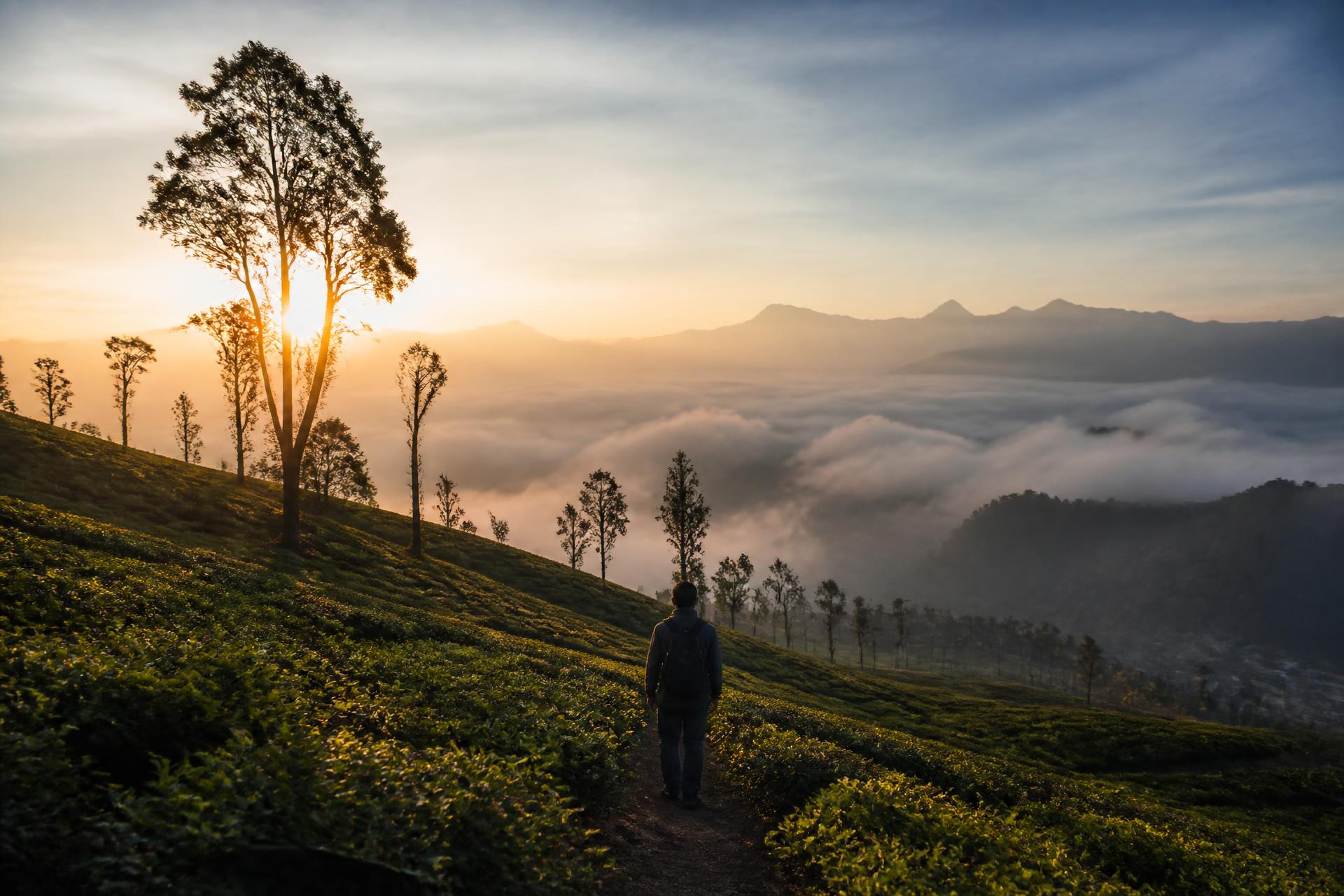
October and November are the golden months. Post-monsoon air is at its clearest — Kanchenjunga is visible from Darjeeling and Sikkim almost every morning. Kaziranga reopens (November 1) and the grass is still tall enough for atmospheric safaris but low enough for good sightings.
This is also festival season. The Torgya festival at Tawang Monastery falls in late October or early November, a three-day masked dance ceremony that is one of the most spectacular in the Himalayas. The Kaziranga Elephant Festival is in early November. And the Bihu autumn festival across Assam runs through October.
The trade-off is that October and November are also the busiest — accommodation books out four to six months in advance, particularly the heritage properties. Plan early.
December, January, February: the cold and clear season
December is the peak of peak — the Hornbill Festival in Nagaland runs 1st to 10th December each year, and this is one of the most photographed indigenous festivals in India. Sixteen major Naga tribes gather in a purpose-built heritage village outside Kohima for ten days of dance, music, food, and ceremony. If Nagaland is on your list, this is the time.
January and February are cold — Tawang is snowbound, Sikkim above 2,500 metres has frost, and Meghalaya's evenings drop into single digits. But the daytime is bright, the wildlife viewing at Kaziranga is at its peak, and the Brahmaputra river cruise is at its best. This is a specialist's season — fewer crowds, sharper light, colder mornings.
February sees the Bhumchu festival at Tashiding in Sikkim (a purification pilgrimage), the Losar Tibetan New Year across the Buddhist regions, and the tail end of Kaziranga's tourism season.
Building a multi-state trip
The classic Northeast circuit is 12 to 15 days: Darjeeling → Sikkim → Kaziranga (via Guwahati) → Meghalaya. This works in October/November and in March/April.
The deep dive is 20 to 24 days, adding Arunachal (Tawang or the eastern Namdapha park) and/or Nagaland (Hornbill festival) to the classic route. This is a serious trip and best done in October/November.
The one-region trip — just Meghalaya, just the Brahmaputra cruise, just Sikkim — is 7 to 10 days and works in the appropriate seasonal window for that region.
The month I would avoid
May in the plains (Assam, Tripura) — high temperatures (35 to 40 degrees) and rising humidity make it uncomfortable. Late June through July if you are sensitive to heavy rain — even the monsoon-loving Meghalaya trip becomes genuinely difficult in the peak monsoon fortnight. And August in Arunachal, where landslides on the mountain roads can strand a trip for days.
Frequently asked
Is there really no bad time to visit the North East?
There is no single bad time, but every state has a wrong season. A specialist's job is to match your interest (culture, wildlife, tea, festivals, mountains) to the right region and month.
How far in advance should I book?
For October-November or December (Hornbill), six months. For March-April (First Flush), four to five months. For monsoon or off-season, six to eight weeks is usually enough.
Can I combine multiple states in one trip?
Absolutely, and a specialist itinerary is the whole point. Two states in 10 days, three in 15, four in 20+.